
Οδοντιατρείο στην Καλαμάτα με εμφυτεύματα και αισθητική οδοντιατρική
- Καλέστε στο: +30 27210 98891
- Ωράριο:10:00 ΠΜ to 18:00 ΜΜ
Τιμές εμφυτευμάτων στην Ελλάδα και αισθητική οδοντιατρική στην Καλαμάτα
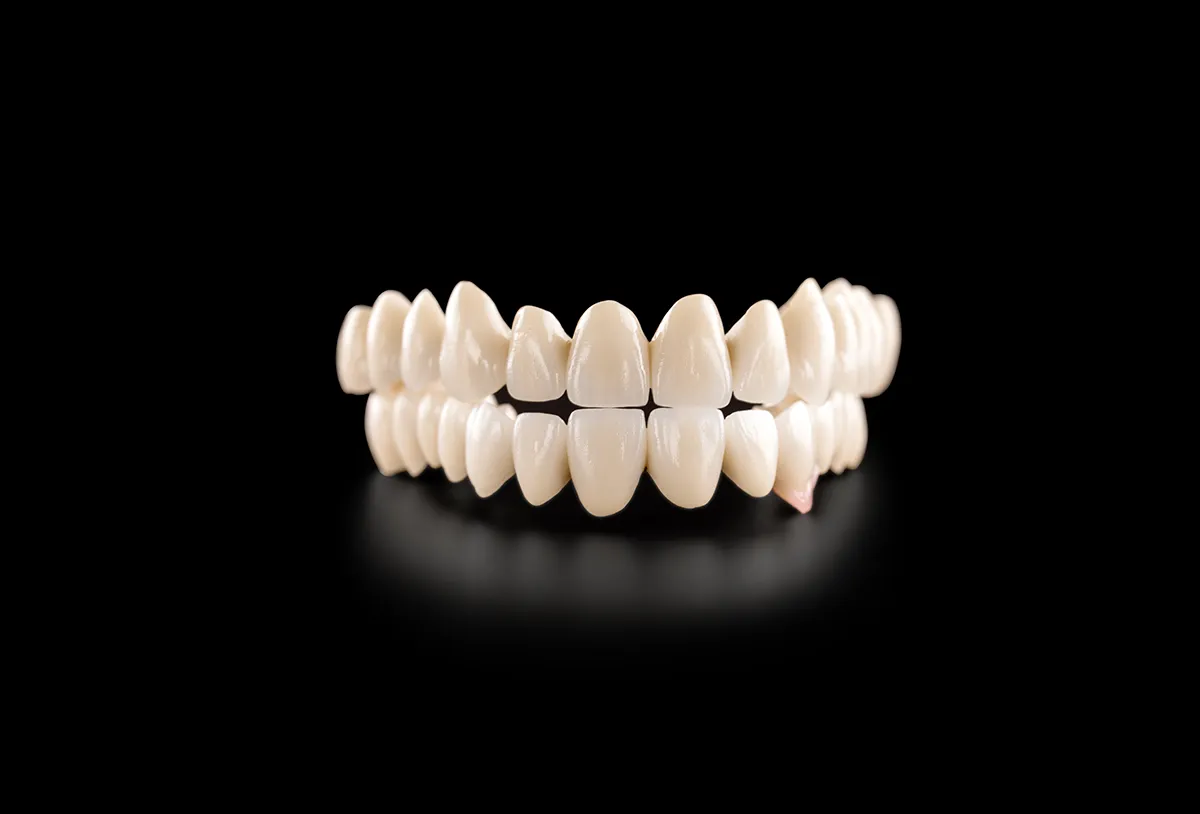
Όψεις Πορσελάνης και Στεφάνες Ζιρκονίου
Από τη δημιουργία των πιο εκλεπτυσμένων όψεων και στεφάνων που μιμούνται απόλυτα τα φυσικά δόντια, έως τη μοναδική μας διαδικασία επίτευξης αρμονίας στο πρόσωπο, η ομάδα οδοντιάτρων και κεραμιστών στο Smile Make Over συνδυάζει το βλέμμα του καλλιτέχνη με την ακρίβεια του επιστήμονα. Η εξαιρετική φροντίδα που προσφέρουμε, κάνει κάθε ταξίδι προς το τέλειο χαμόγελο, μοναδικό.
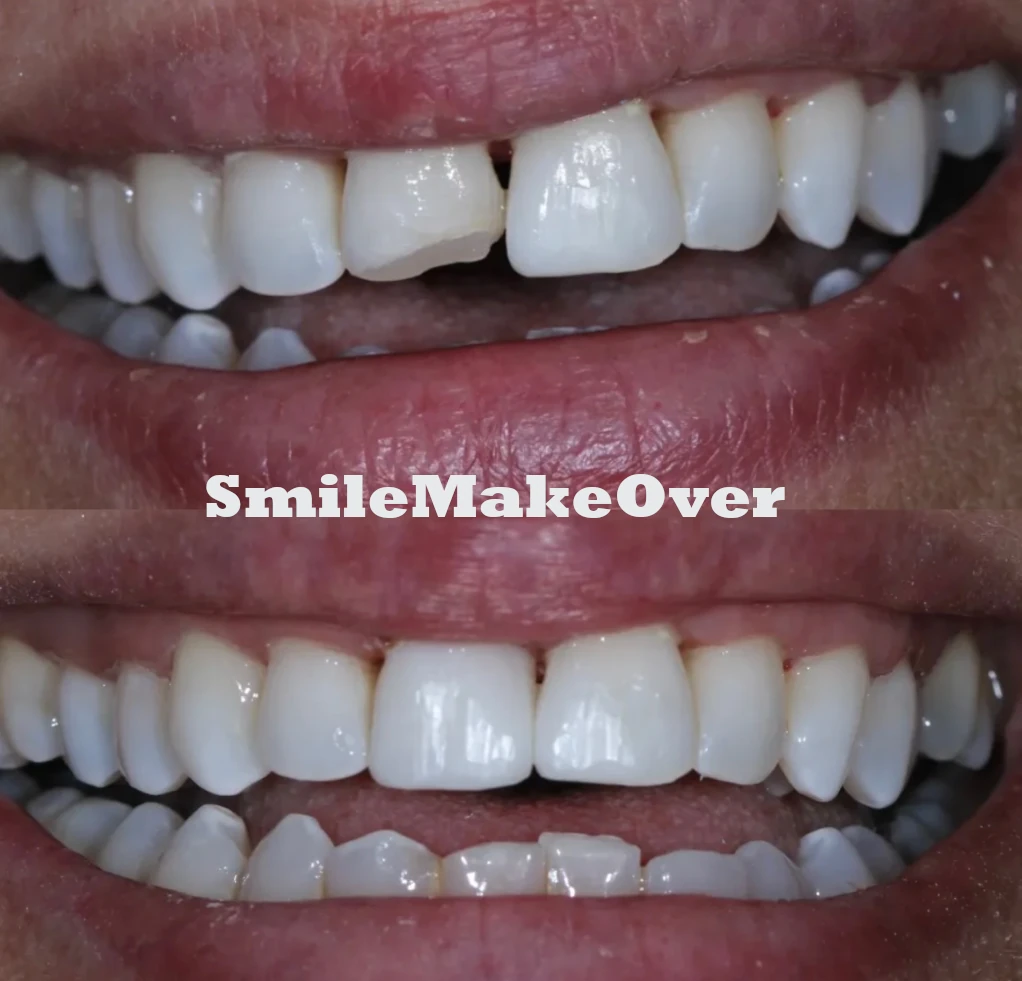
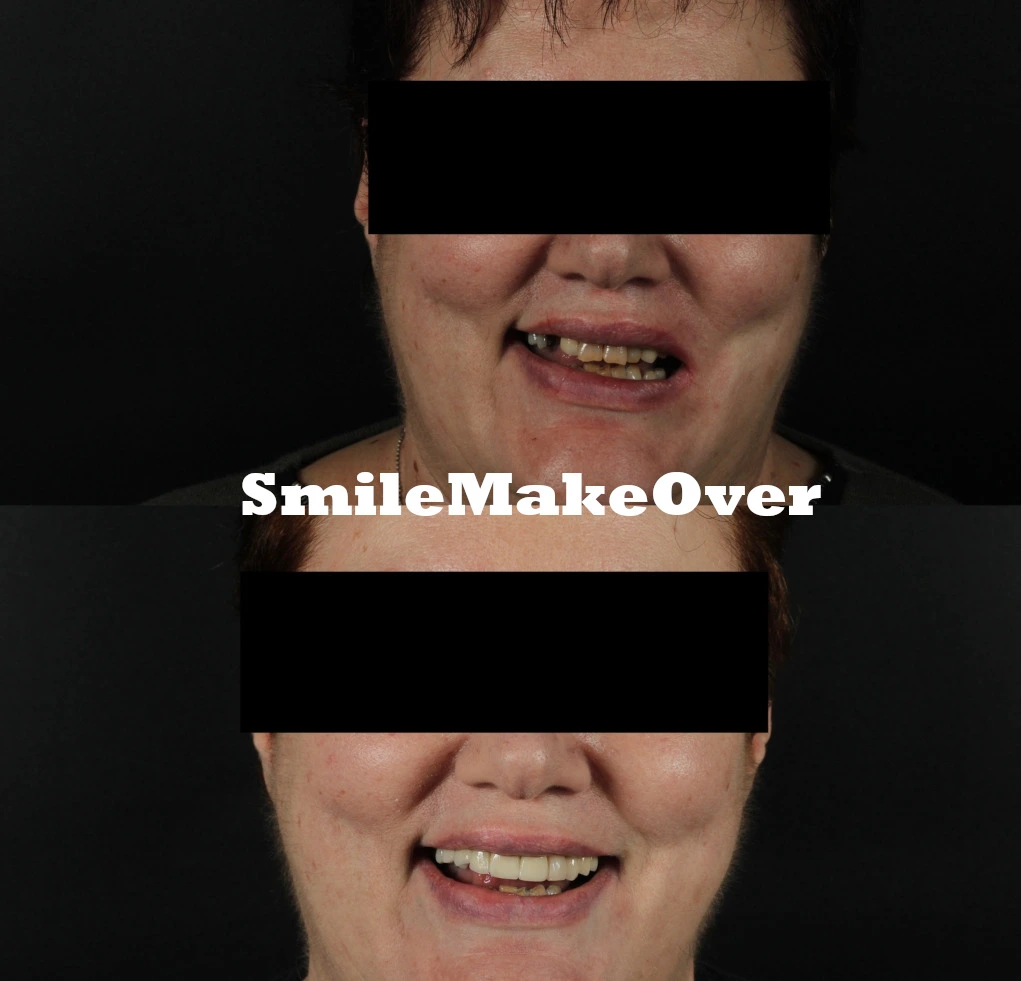
Τι είναι τα E.MAX®️ και το Ζιρκόνιο;
Οι όψεις E.max® και ζιρκονίου κατασκευάζονται από εξαιρετικά λεπτή γυάλινη κεραμική, η οποία συγκολλάται μόνιμα στο φυσικό σμάλτο του δοντιού σας. Χρησιμοποιούνται για να βελτιώσουν το χαμόγελοκαι είναι γνωστό ως Smile Makeover ή Hollywood Smile, δημιουργώντας τα χαμόγελα πολλών διάσημων ανθρώπων παγκοσμίως. Αυτές οι κεραμικές κατασκευές είναι μοναδικές, γιατί συνδυάζουν δύναμη και αισθητική. Προσφέρουν φυσική εμφάνιση, ανώτερη ανθεκτικότητα και υψηλή αντοχή σε λεκέδες. Τα τελευταία χρόνια έχει αυξηθεί η ζήτηση για αποκαταστάσεις χωρίς μέταλλο. Οι ασθενείς ανησυχούν περισσότερο για την παρουσία μετάλλων στο στόμα τους και επιθυμούν τις πιο αισθητικά όμορφες αποκαταστάσεις. Αυτή η ζήτηση καλύφθηκε με την εισαγωγή νεότερων και πιο ανθεκτικών κεραμικών, όπως το ζιρκόνιο και το e.max®, που αντικαθιστούν τις παλαιότερες αποκαταστάσεις τύπου φεντσπαθικ (feldspathic) και λευκίτη (leucite). Αυτά τα υλικά προσφέρουν ανώτερη αντοχή και εφαρμογή, σε συνδυασμό με εξαιρετική αισθητική. Κατά τη διάρκεια της τελευταίας δεκαετίας, οι εταιρείες που παράγουν κεραμικά χωρίς μέταλλο έχουν συνεχώς αναβαθμίσει τα προϊόντα τους. Η τελευταία γενιά υλικών παρέχει βελτιωμένη οπαλεσценτία (απαλή λάμψη), σε συνδυασμό με ρεαλιστικές αποχρώσεις και διαφάνειες. Οι ολοκεραμικές αποκαταστάσεις είναι πιο υγιεινές για τα ούλα και προσφέρουν μακροχρόνια και αξιόπιστα αποτελέσματα. Η απουσία μετάλλου εξαλείφει το σκοτάδι γύρω από τα όρια των ούλων, ενώ το φως διαπερνά αυτά τα υλικά με τρόπο που μιμείται πολύ κοντά το φυσικό δόντι.
© 2026 Smile Make Over 4U – Dental Clinic in Kalamata. Κατασκευή ιστοσελίδας από το Health Digital Studio